
Unlocking the Benefits of Mineral Based Treatments for Your Hot Tub and Spa
- info930470
- Jan 12
- 4 min read
Hot tubs and spas offer a perfect way to relax, unwind, and enjoy therapeutic benefits at home. Yet, maintaining clean, clear, and safe water can be a challenge. Traditional chemicals systems often cause skin irritation, unpleasant odors, and require frequent monitoring. Mineral based treatments have emerged as a compelling alternative, providing a gentler, eco-friendly way to keep your spa water pristine. This post explores the benefits of mineral based treatments, how they compare to traditional options, and practical tips for integrating them into your hot tub care routine.

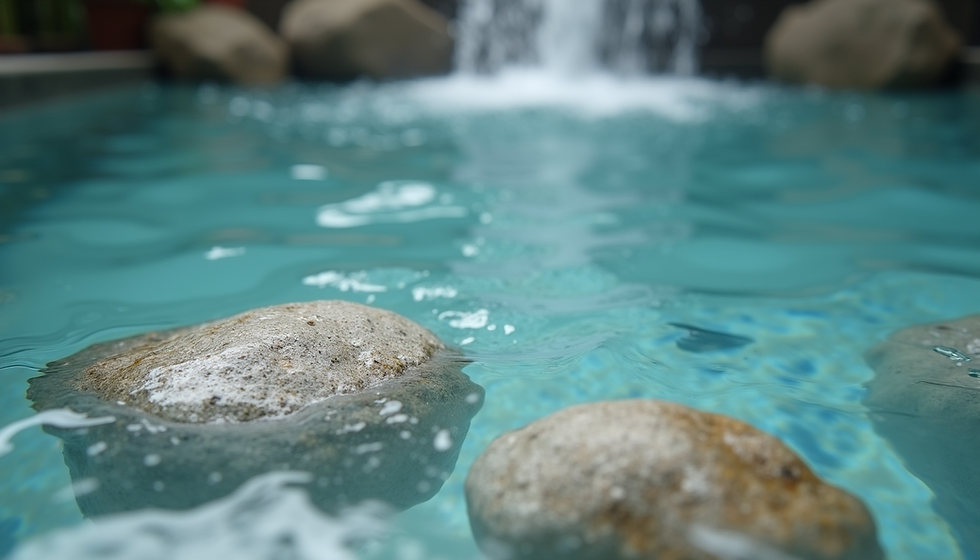
Mineral treatments keep hot tub water clear and gentle without harsh chemicals
What Are Mineral Based Treatments?
Mineral based treatments use natural minerals like silver, copper, and zinc to control bacteria, algae, and other contaminants in spa water. These minerals have antimicrobial properties that reduce the need for harsh chemicals. Instead of relying solely on chlorine or bromine, mineral systems release trace amounts of these elements to maintain water quality.
Some mineral treatments come as cartridges or inserts that fit into your hot tub’s filtration system. Others are added directly to the water in measured doses. These treatments work alongside reduced levels of traditional chemicals, often enabling significant chlorine reduction.
Why Choose Mineral Based Treatments?
Gentler on Skin and Eyes
One of the biggest complaints about traditional hot tub chemicals is irritation. Chlorine and bromine can cause dry, itchy skin and red eyes. Mineral treatments reduce the need for these chemicals, making the water softer and more comfortable for sensitive skin.
Environmentally Friendly
Mineral treatments use naturally occurring elements that break down safely in the environment. This reduces chemical runoff and pollution compared to heavy use of chlorine or other synthetic chemicals.
Longer Lasting Water Quality
Minerals remain active in the water longer than chlorine alone, which breaks down quickly under sunlight and heat. This means fewer chemical adjustments and less frequent water changes, saving time and money.
Reduces Chlorine Use
Mineral treatments are among the best chlorine alternatives for hot tubs. They work with chlorine reduction systems to lower chlorine levels by up to 50% or more. This balance keeps water safe without the strong chlorine smell or harsh effects.
How Mineral Treatments Work in Your Hot Tub
Minerals like silver and copper disrupt the cell walls of bacteria and algae, preventing their growth. Unlike chlorine, which kills microbes by oxidation, minerals inhibit reproduction and biofilm formation. This approach creates a more stable water environment.
Many mineral systems include:
Silver ions for antibacterial action
Copper ions to control algae
Zinc to reduce scale and corrosion
These minerals are released slowly, maintaining consistent water quality. Mineral cartridges typically last 3 to 6 months, depending on usage and water conditions.
Comparing Mineral Treatments to Traditional Chemicals
| Feature | Mineral Based Treatments | Traditional (Chlorine/Bromine)
| Skin and eye irritation | Minimal | Common
| Environmental impact | Low | Higher, chemical runoff | Water clarity | Consistent, natural | Effective but can cause cloudiness
| Maintenance frequency | Lower, longer-lasting | Frequent testing and dosing
| Odor | Mild or none | Strong chlorine or chemical smell | Chlorine/Bromine | Reduced by 50% or more | Primary sanitizer
Best Spa Water Treatments Using Minerals
When selecting mineral based treatments, look for products that combine minerals with low levels of chlorine or other sanitizers. This hybrid approach ensures safety while minimizing chemical exposure.
Some popular options include:
Mineral cartridge systems that fit into your spa filter
Mineral drops or tablets added directly to water
Chlorine reduction systems that pair minerals with reduced chlorine dosing
These products are often marketed as the best spa water treatments for those seeking gentler, eco-friendly solutions.
Practical Tips for Using Mineral Treatments
Test water regularly. Even with minerals, you need to monitor pH, alkalinity, and sanitizer levels.
Use alongside low chlorine levels. Minerals work best when combined with reduced chlorine or bromine.
Replace mineral cartridges on schedule. Follow manufacturer guidelines to maintain effectiveness.
Clean filters frequently. Mineral systems reduce buildup but don’t eliminate the need for filter maintenance.
Balance water chemistry. Proper pH and alkalinity keep minerals working efficiently and prevent scaling.
Consider adding Borate. Sodium Tetraborate can help keep water balanced, make water feel softer and enhance the sanitizers ability to oxidize bacteria.
Real-World Benefits for Hot Tub Owners
Many hot tub enthusiasts report noticeable improvements after switching to mineral based treatments:
Softer water that feels better on skin
Less strong chemical odor around the spa
Reduced eye and skin irritation after soaking
Longer intervals between water changes
Easier maintenance with fewer chemical adjustments
Eco-conscious homeowners appreciate the reduced environmental impact, while high-end consumers enjoy the premium spa experience with gentle, natural water care.
Choosing the Best Hot Tub Chemicals for Your Needs
Mineral based treatments are part of a broader approach to spa water care. The best hot tub chemicals depend on your priorities:
For minimal chemical exposure, mineral systems combined with chlorine reduction systems offer a balanced solution.
For maximum sanitation, traditional chlorine or bromine may still be necessary but can be used at lower levels.
For eco-friendly care, mineral treatments reduce chemical waste and environmental impact.
Always choose products from reputable brands and follow instructions carefully to keep your spa safe and enjoyable.


Comments